Why Pest Control Is Important?
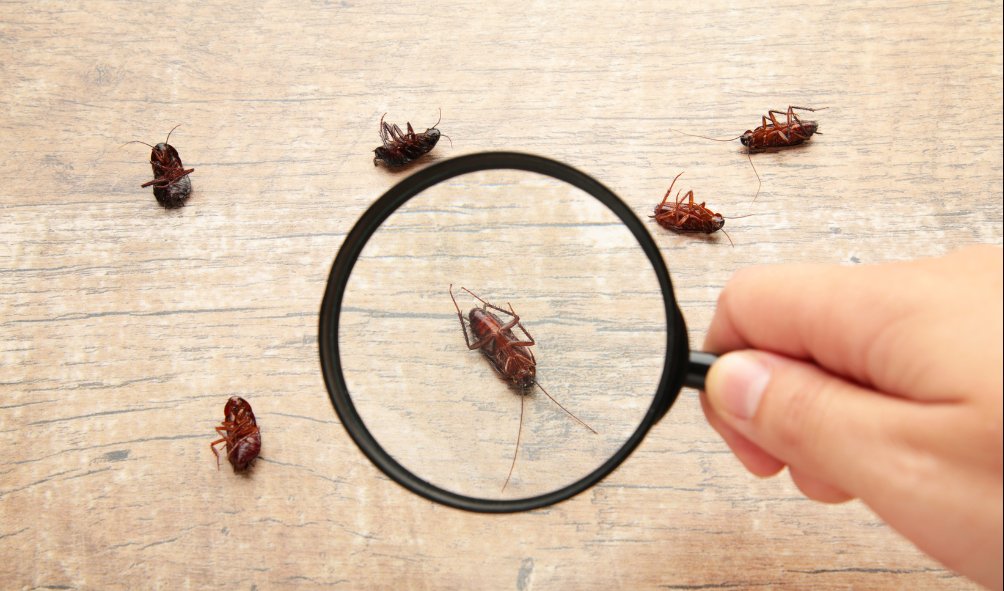
Pest control is often overlooked until the sight of a cockroach or a swarm of ants sends us scrambling for the nearest can of bug spray. However, the importance of pest control extends far beyond mere inconvenience. It plays a crucial role in protecting our health, preserving our property, and maintaining a balanced ecosystem. Here are some key reasons why pest control is essential:
1. Protects Health
Many pests, including mosquitoes, rodents, and ticks, are vectors for diseases that can pose serious health risks to humans. Mosquitoes are notorious for transmitting diseases like malaria, dengue, and Zika virus, while rodents can spread hantavirus, leptospirosis, and salmonella. Ticks are responsible for Lyme disease, which can have long-term health implications if not treated early. Regular pest control measures help prevent these diseases by reducing pest populations and minimizing human exposure.
2. Prevents Property Damage
Pests can cause significant damage to homes and buildings. Termites, for example, are infamous for their ability to chew through wood, leading to costly structural damage. Rodents can gnaw through electrical wires, increasing the risk of fire hazards. Cockroaches and other insects can also cause damage to furniture, clothing, and personal belongings. Implementing effective pest control strategies can help protect your property and save you from expensive repairs.
3. Maintains Food Safety
Pests can contaminate food supplies in homes, restaurants, and food processing facilities. Insects like flies and cockroaches can spread bacteria and pathogens that cause foodborne illnesses. Rodents are also notorious for contaminating food with their droppings and urine. Pest control is crucial in maintaining hygiene standards and ensuring that our food remains safe and free from contamination.
4. Preserves the Environment
While some pests can be harmful, others play essential roles in our ecosystem. Pest control helps maintain a balance by targeting harmful pests while preserving beneficial species. Integrated pest management (IPM) strategies emphasize using environmentally friendly methods to control pests, reducing reliance on chemical pesticides that can harm the environment.
5. Enhances Quality of Life
Pests can be more than just a nuisance; they can significantly impact our quality of life. Constant itching from mosquito bites, the anxiety of a bed bug infestation, or the stress of finding rodents in your kitchen can take a toll on your mental and emotional well-being. Effective pest control helps create a comfortable and safe living environment, enhancing your overall quality of life.
Conclusion
In summary, pest control is not just about keeping our homes and businesses pest-free; it is a vital component of public health, property protection, and environmental stewardship. By investing in regular pest control services, we can protect our health, preserve our property, ensure food safety, and maintain a balanced ecosystem. Don’t wait until pests become a problem—take proactive measures to keep them at bay and enjoy a healthier, safer, and more comfortable environment.